
A Rundown of The Row’s Core Bag Silhouettes: Understanding the Brand’s Defining Shapes
In present-day fashion, The Row holds a curious standing. Founded by Mary-Kate and Ashley Olsen in 2006, the house has spent almost twenty years building a standing not on logos or seasonal noise, but on restraint. Absent are the monogram canvas, the obvious branding, the visible hardware demanding attention. The Row bags, rather than chasing branding, rely on proportion, leather quality, and construction that repays close inspection. The core silhouettes that define the house are worth a closer look for anyone puzzling over why these pieces earn such devotion and strong resale value — far more useful than lumping the collection as an undifferentiated pile of “luxury minimalism.”
Unpacking the silhouettes that count is what’s covered in this overview, which also explains what separates a genuinely excellent piece from a merely pricey one, and giving hands-on guidance on where to search if you’re chasing a deal, covering how a row sale actually tends to work in real life.
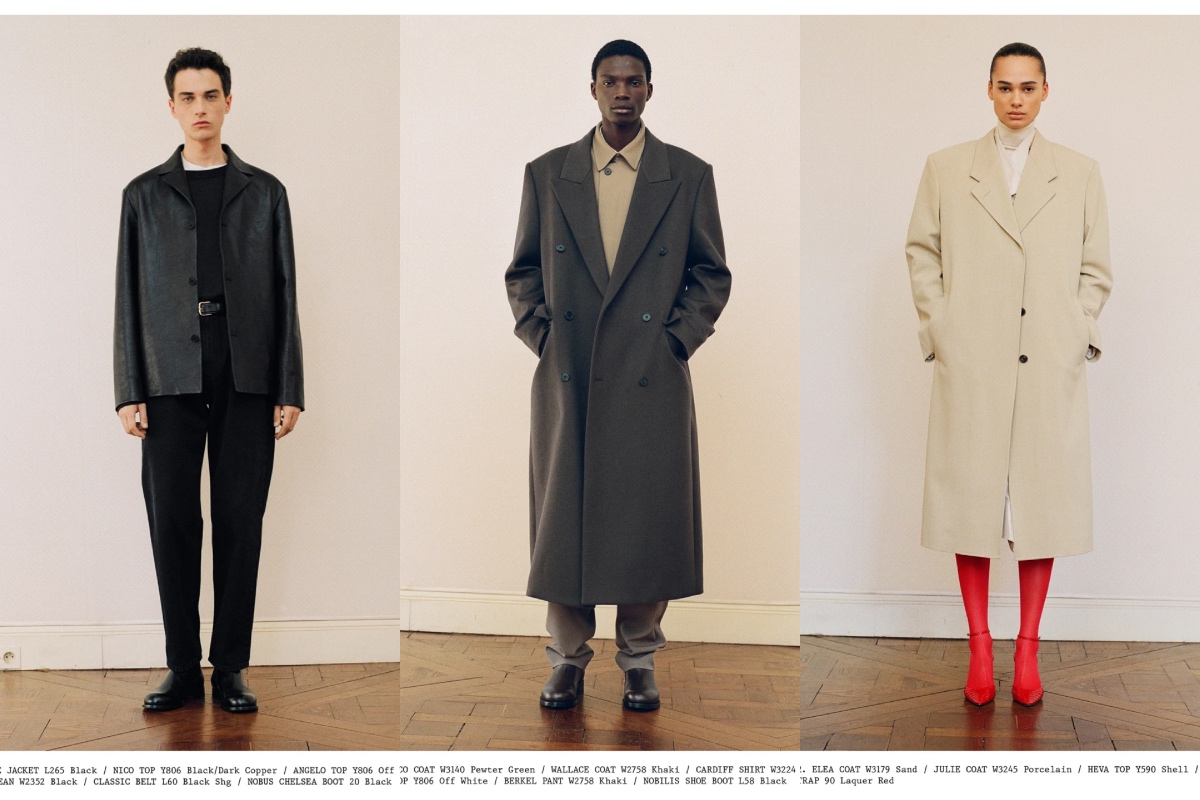
The Thing That Renders The Row’s Handbag Ethos Different
Most premium brands build recognition through repeated motifs — a distinctive hardware detail, a padded diamond-stitch design, a branded initial print. The Row does the opposite. Its creative approach gravitates toward soft, unstructured silhouettes, restrained, quiet colorways (think taupe, ecru, black, and various browns), and hides so supple they require almost no embellishment to warrant their price. This is deliberate. Mary-Kane Olsen and Ashley Olsen have spoken about wanting garments and accessories to function as quiet luxury rather than status signaling.
To someone new to the brand, the row handbags photograph nearly the same, but a lineup of these styles reveals how entirely different they register in hand. Someone buying for the first time often undervalues The Row until they run their hands over the leather or notice how a bag keeps designer shoulder bags its structure without heavy structural backing. This hands-on distinction is essential for understanding the label’s pricing structure, which frequently falls somewhere between $2,000 and $6,900 according to size, leather type, and hardware finish.
The Margaux Tote: The Brand’s Iconic Tote
If there is one bag that placed The Row firmly in the spotlight for a wider crowd beyond those steeped in fashion, the Margaux is that bag. In the years following its early-2010s launch, this the row tote bag — first introduced in the early 2010s — had become an object of near-obsession, carried by editors, stylists, and off-duty models drawn to a bag that looked costly without being loud. The Margaux is offered across several sizes — often listed as Margaux 10, 12, 15, and 17, with the number loosely indicating width in inches — offering shoppers a range from a small everyday option to an authentic work-ready tote that accommodates a laptop and documents.
An open-top tote with dramatic slouch, minimal hardware, and rolled handles that sit comfortably on the shoulder remains the essence of the silhouette itself. Colourways shift with the seasons though sticking close to neutral territory, and leather choices have spanned smooth calfskin and grained finishes. People frequently ask where to buy The Row Margaux bag, and the honest answer is that availability is inconsistent — the brand deliberately limits distribution, which is part of why resale interest stays strong.
Sofia, Wander, and Other Structured Silhouettes
The Row’s catalogue, apart from the Margaux, includes a handful of structured and semi-structured styles that each serve their own distinct function. The Sofia bag offers a more architectural top-handle shape, appealing to buyers who want something closer to a briefcase silhouette than a slouchy tote. In the crossbody category, the Wander has built its own niche — smaller, relaxed, and more affordably priced than the brand’s larger totes, which is why it’s often a typical starting point for first-time buyers.
In addition to various clutch and pouch styles that appear more sporadically depending on the season, there’s the Ascot, a boxier top-handle bag with a distinctly retro silhouette. Distinct purposes are covered by each: the Sofia suits office wear, the Wander handles daily errands, and more formal or evening settings suit the Ascot. Understanding this range matters because The Row is often reduced in conversation to “the tote brand,” when in truth the brand creates a quite varied set of shapes spanning different price tiers and purposes.
What’s Behind the Materials, Construction, and Price
A major reason behind where the brand’s pricing sits is its leather sourcing practices. The label has relied on Italian-tanned leathers widely, and the finishing process on pieces like the Margaux relies on minimal stitching seams in order to achieve its loose, unstructured hang. Fewer seams generally mean more leather waste during production, which helps explain why the cost stays high even though the overall look reads as simple.
Hardware, where it exists, tends to be understated — small clasps, discreet zippers, subtle stamped logos rather than embossed branding. Throughout the row bag range, this approach holds and reaches smaller leather goods including card holders and pouches. Since these are the details that separate authentic craftsmanship from imitation pieces flooding secondary markets, buyers weighing a purchase should closely examine stitching consistency, the leather’s aging process (most pieces develop a natural patina over time), and whether the bag’s slouch returns to shape after use.
Comparing the Core Silhouettes
The table below outlines the practical differences between four of the most frequently searched the row bags, based on typical size range, use case, and overall price positioning as of 2026.
| Silhouette | Best Occasion | Available Sizing | Approximate Price Band |
|---|---|---|---|
| Margaux | A everyday tote also suited to office carry | Ranging from Margaux 10 to Margaux 17 | Mid to high (depends by size and leather type) |
| Sofia | Tailored bag for the office | One primary size, occasional variants | High |
| Wander | A crossbody suited to relaxed everyday use | Its compact design centered on a single size focus | Lower entry point relative to totes |
| Ascot | Evening, formal occasions | Small to medium | High |
This comparison isn’t exhaustive — The Row rotates limited editions and seasonal colourways often — but it gives a useful reference structure for anyone evaluating the top row bags before choosing which one to buy.
Finding Deals: The Way a Row Sale Really Works
The Row doesn’t discount heavily, and this is intentional. Instead of following mass-market luxury brands and their frequent sale periods, the brand tends to let markdowns emerge toward season’s end, typically via authorized multi-brand retailers instead of The Row’s direct storefronts. Instead of flash sales or the label’s mailing list, discounts tend to show up at a The Row sale at established luxury e-commerce platforms or department stores stocking the line.
Because production runs are small, discounted stock disappears quickly, and popular sizes like the Margaux 12 almost never stay available past a few days after being discounted. Patience matters here. Buyers serious about finding value should set alerts with retailers known to carry The Row fashion lines, check end-of-season clearance sections around January and July, and remain poised to react swiftly once stock surfaces. Reselling sites present a further option, though authentication becomes critical given how often fake “Row-style” bags make the rounds.
Key Points to Think About Before Buying
Skipping the trend-driven approach, choosing between these row-style bags really comes down to lifestyle, since these bags are designed to hold up over years rather than seasons. Anyone commuting daily with a laptop will find considerably more practicality in a Margaux 15 or 17 than in a compact Wander. A person who often goes to evening occasions might favor the Ascot’s tailored form over the Margaux’s softer drape. It’s worth asking a few practical questions before committing:
- With what regularity will the item be used, and for what specific everyday needs?
- Does the leather finish fit a easy-care lifestyle, or is routine care feasible?
- Considering your build and everyday carrying requirements, would the dimensions in balance?
- For an entry point into the label, might a lower-cost investment piece like a little pouch or card holder be more sensible?
These considerations carry more weight with The Row than with brands built around logos, because the attraction here is entirely functional and textural rather than symbolic. A poorly-suited bag—however exquisitely crafted—will end up gathering dust.
A Few Final Reflections on Curating a The Row Collection
Making sense of The Row’s core silhouettes — namely the Margaux, Sofia, Wander, and Ascot — provides shoppers with a noticeably more focused perspective than just scrolling through catalog pages haphazardly.
Each shape solves a different problem, and acknowledging that difference helps justify the money spent.
Through 2026, resale value for the brand has stayed robust — precisely because it stays uninterested in fleeting fads — and certain Margaux sizes hold value better than bags from far flashier, more heavily hyped labels.
If you’re new to this, the smartest approach is to figure out the everyday need the bag must serve, investigate what’s currently offered through reputable vendors, and keep an eye out for periodic price drops rather than banking on constant markdowns. The Row rewards patience and precision — much like the bags themselves.